
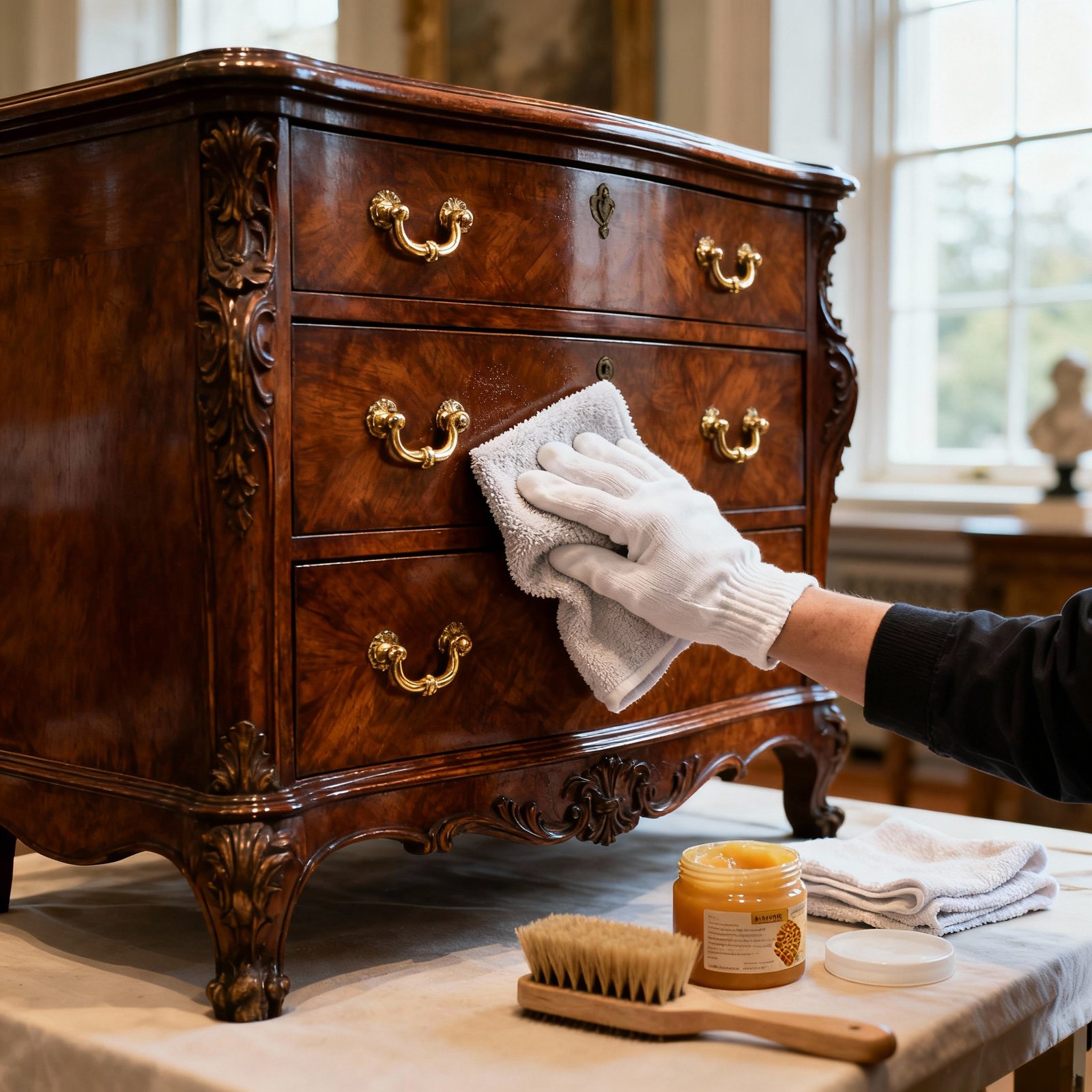
Proper antique care and preservation protect your antiques’ value, appearance, and historical integrity for future generations. This comprehensive antique care guide covers essential preservation techniques for all major antique categories, helping you maintain your collection’s condition and worth through expert antique care practices.
Understanding Antique Care and Preservation Principles
Core Conservation Philosophy
Professional antique care follows key principles applicable to all collectors. Minimal intervention—do only what’s necessary, nothing more. Reversibility—any treatment should be reversible by future conservators using better techniques. Appropriate materials—use archival-quality, chemically stable materials preventing deterioration. Documentation—record all antique care treatments, materials used, and condition changes over time.
The fundamental rule of antique care: do no harm. Overzealous cleaning, inappropriate repairs, or harsh treatments cause irreversible damage destroying historical value. When uncertain about proper antique care techniques, consult professional conservators rather than risking damaging irreplaceable pieces.
Environmental Control
Environment affects all antiques profoundly. Temperature stability matters more than absolute temperature—fluctuations cause expansion/contraction damaging materials. Maintain 65-72°F year-round if possible. Humidity control prevents warping, cracking, mold, and corrosion. Target 45-55% relative humidity for mixed collections. Higher humidity (55-65%) benefits wooden pieces, while lower (35-45%) suits metals.
Light exposure causes fading, brittleness, and deterioration. UV radiation particularly damaging. Avoid direct sunlight on all antiques. Use UV-filtering window films or curtains. Display under low-UV LED lighting rather than incandescent or fluorescent. Rotate displayed items periodically, storing light-sensitive pieces in darkness between display periods.
Furniture Antique Care and Preservation
Dusting and Cleaning
Dust regularly with soft, clean cloths—microfiber works excellently for antique care. Dust deposits attract moisture promoting mold and tarnish. Avoid feather dusters which can scratch surfaces. Work gently, following wood grain direction. Never use spray furniture polishes containing silicones which build up over time, creating problems for future refinishing.
For stubborn dirt, use barely-damp cloths, drying immediately. Never saturate wood with water. For carved areas, use soft brushes (artist’s brushes work well) removing dust from crevices. Vacuum brush attachments work for upholstered pieces, using lowest suction setting and cheese cloth over nozzle preventing fabric damage.
Waxing and Polishing
Quality paste wax protects and beautifies antique furniture as part of regular antique care. Use natural products like Renaissance Wax (museum standard) or quality beeswax preparations. Apply thin coats sparingly—once or twice yearly sufficient for most pieces. Excessive wax buildup dulls finish and attracts dust.
Application technique matters. Apply small amounts to cloth, not directly to furniture. Rub in circular motion following grain. Let dry to haze (15-30 minutes), then buff vigorously with clean soft cloth. Carved areas require special attention ensuring wax doesn’t accumulate in crevices. Never wax damaged or flaking finishes—consolidation by professionals necessary first.
Preventing Damage
Use coasters, placemats, and pads under all objects placed on furniture. Moisture rings from glasses destroy finish permanently. Felt pads under lamps, accessories prevent scratching. Avoid plastic or rubber contact with wood finishes—these materials cause permanent chemical staining.
Protect from physical damage. Position furniture away from traffic patterns where bumping likely. Anchor tall pieces (bookcases, cabinets) to walls preventing tipping. Never drag furniture when moving—lift completely to avoid joint stress and leg damage. Pad furniture during moves with furniture blankets, never plastic which traps moisture.
Handling Drawers and Doors
Open drawers by pulling on both handles simultaneously, keeping even pressure. Never pull single handle stressing one side. Support drawer bottoms when removing—old glue joints may be weak. Before inserting items in drawers, ensure interiors clean and perhaps line with acid-free paper protecting both drawer and contents.
Hinged doors require gentle handling. Never force sticky doors—investigate causes (humidity swelling, hinge issues, shifted frames) and address properly. Oil hinges sparingly with appropriate lubricant if squeaking. Clean escutcheons and lock mechanisms carefully, avoiding harsh chemicals.
Ceramic and Porcelain Antique Care
Cleaning Techniques
Hand wash ceramics only—never dishwashers. Use lukewarm water (tepid, never hot or cold creating thermal shock). Mild dish soap works well. Very soft cloths or brushes for cleaning. Pad sink with towels preventing accidental bumps against hard surfaces.
Wash one piece at a time. Never stack in sink or wash multiple pieces together. Support pieces carefully—hold bases not rims or handles which may be fragile. For stubborn dirt, soak briefly in tepid soapy water, never using abrasive cleaners or scrubbers. Rinse thoroughly, dry immediately with soft towels.
Crazed (cracked glaze) pieces require special antique care. Never immerse these—dirt penetrates cracks, creating permanent staining. Clean with barely-damp cloths. For valuable pieces, consult conservators about consolidating unstable crazing before attempting cleaning.
Display and Storage
Display ceramics in stable locations away from vibrations, edges, and traffic. Glass-front cabinets provide dust protection. Avoid overcrowding—pieces touching during building movement or accidental bumps. Use plate stands appropriate to piece size and weight. Ensure stands support properly without stress points.
Store wrapped individually in acid-free tissue paper. Never newspaper (acidic, ink transfers) or bubble wrap (traps moisture, leaves impressions). Place in sturdy boxes with cushioning between pieces. Label boxes clearly. Store in stable environment away from temperature and humidity extremes. Never stack plates directly—use foam or cardboard separators.
Repair Considerations
Professional conservation essential for valuable pieces. Amateur gluing visible, reduces value, and complicates future professional restoration. If pieces break, save all fragments in labeled containers. Don’t attempt matching—conservators work magic with seemingly hopeless breaks.
For lower-value pieces where DIY repair acceptable, use appropriate materials. Cyanoacrylate (super glue) works for simple breaks but is difficult to reverse. Epoxy resins stronger but also irreversible. Renaissance Wax or conservation-grade materials preferred when possible. Document all repairs for future owners.
Glass and Crystal Preservation
Cleaning Methods
Hand wash glass like ceramics—padded sink, mild soap, lukewarm water, one piece at a time. Never dishwashers—heat and detergents etch glass, making it permanently cloudy. For cut glass, soft brushes reach cut pattern crevices. Dry thoroughly with lint-free towels—air drying leaves water spots.
Remove cloudiness from glass decanters by filling with diluted vinegar solution, letting sit overnight, then rinsing thoroughly. For stubborn deposits, special glass cleaning crystals available from conservation suppliers. Never use abrasives scratching glass surfaces. Very old glass may have iridescent degradation—cleaning won’t remove this, and harsh attempts may worsen damage.
Storage and Display
Store glass in stable locations without vibration. Wrap individually in acid-free tissue. Never nest pieces inside each other—separation impossible without risk. Store wine glasses upright, not inverted (rims fragile). Avoid extreme temperature changes causing stress cracks.
Display provides beauty but creates risks. Secure shelving essential—use museum putty or quake hold for earthquake-prone areas. Adequate depth prevents items falling. Avoid top-heavy arrangements. Lighting showcases glass beautifully but avoid heat-producing sources near delicate pieces.
Silver and Metal Preservation
Tarnish Prevention and Removal
Silver tarnishes from sulfur exposure. Prevention easier than removal. Store in anti-tarnish cloth or bags. Pacific cloth particularly effective. Avoid rubber bands, wool, or felt contacting silver (sulfur-containing). Include anti-tarnish strips in storage areas absorbing atmospheric sulfur.
Polish silver periodically using quality silver polish and soft cloths. Apply gently with minimal pressure—excessive rubbing wears hallmarks and fine details. Use long straight strokes, not circles. Rinse thoroughly removing all polish residue. Dry completely. For pieces with recessed decoration, use soft brushes applying polish into details.
Consider professional conservation for important pieces before polishing. Extremely worn silver benefits from professional assessment. Some patina in crevices may be historically appropriate—overly aggressive cleaning destroys this character. Never use silver dips or ultrasonic cleaners on antique silver without expert advice.
Special Metal Care
Bronze and brass develop natural patina over time—this finish generally considered desirable. Clean gently with soft cloths. Heavy cleaning or polishing appropriate only for later pieces where bright finish intended. Consult conservators before removing patina from early pieces.
Iron requires rust prevention. Display in low-humidity environments. Apply thin coat of Renaissance Wax or clear lacquer (only if previously lacquered) preventing moisture contact. Remove rust carefully with fine abrasives and oil, but understand this may reduce historical value for some pieces. Document any rust removal.
Textile and Fabric Antique Care
Handling and Display
Always handle textiles with clean hands or cotton gloves. Support entire item when moving—never lift by edges alone. Fold carefully with acid-free tissue cushioning folds. Never crease sharply—gradual curves only. Store flat when possible. If rolling necessary, use acid-free tubes of appropriate diameter.
Display textiles away from light—rotation essential. Frame with UV-filtering glass. Ensure adequate spacing between textile and glass preventing condensation contact. Support mounted textiles fully—never let hanging textiles bear full weight from single edge. Use Velcro or sewn supports distributing weight evenly.
Cleaning Considerations
Professional conservation essential for valuable textiles. Many period textiles cannot withstand wet cleaning. Dye bleeding, fiber degradation, and construction damage risk severe. Dry cleaning also risky—solvents may damage old textiles. Consult textile conservators before any cleaning.
For sturdy utilitarian textiles where careful home antique care acceptable, vacuum gently using lowest setting with screen (fiberglass screening) protecting textile. Spot clean with barely-damp cloths if necessary. Never submerse or wash without expert approval. Store in acid-free environment with good air circulation preventing mold.
Paper and Print Preservation
Storage Conditions
Paper requires special environmental control. Humidity between 30-50% prevents both brittleness (too dry) and mold (too damp). Avoid temperature extremes. Light exposure severely damages paper—display in low-light conditions, rotate frequently, store in darkness when not displayed.
Store flat in acid-free folders and boxes. Separate items with acid-free tissue or folders. Never use paper clips, staples, or adhesive tape—all cause permanent damage. Remove old newspaper clippings near valuable papers—newsprint acidity migrates causing discoloration. For folded items, store flat or in specially designed folders preventing stress at creases.
Framing and Display
Professional conservation framing protects paper items. Use acid-free mats and backing boards. UV-filtering glass or acrylic glazing essential. Ensure adequate spacing between art and glass preventing condensation contact. Seal backs preventing dust and insect entry while allowing some air exchange.
Never trim prints or documents “improving” appearance—this destroys value and historical integrity. Mat to hide condition issues rather than cutting. Consult conservators before removing old framing—historical frames add value and documentation often found in vintage framing packages.
Books and Manuscripts
Proper Storage
Store books upright on shelves, adequately supported but not overly tight. Books should remove easily without strain. Very large books stored flat prevent spine stress. Use bookends for partial shelves preventing slumping. Avoid overfilling shelves—books need air circulation preventing mold.
Environmental control critical. Maintain 65-70°F, 35-50% humidity. Higher humidity promotes mold, lower causes brittleness. Avoid basements and attics with temperature and humidity extremes. Keep books away from water pipes, potential leak sources, and exterior walls where condensation occurs.
Handling and Care
Support books fully when reading—use book cradles or supports preventing spine stress. Never force books open flat—this breaks spines. For fragile bindings, consult conservation for custom supports. Turn pages gently by upper corners. Never lick fingers—saliva degrades paper and introduces contaminants.
Remove books from shelves properly. Never pull from top of spine—this damages bindings. Instead, push neighboring books back slightly, grasping book on both sides to remove. For valuable books in poor condition, consider custom cases protecting while stored on shelves.
Leather Antique Care
Cleaning and Conditioning
Leather dries and cracks over time. Periodic conditioning with appropriate antique care treatments maintains suppleness. Use leather dressing specifically formulated for antiques—modern shoe polish inappropriate. British Museum Leather Dressing or similar conservation products work well. Apply sparingly—excess attracts dust and feels sticky.
Test treatments on inconspicuous areas first. Apply with soft cloth using minimal product. Let absorb thoroughly. Buff gently with clean cloth. Never over-condition—once yearly typically sufficient. Red rot (powdery deterioration) requires professional conservation—dressing won’t reverse this advanced deterioration.
Storage Conditions
Store leather in moderate humidity (45-55%). Too dry causes cracking, too humid promotes mold. Avoid direct sunlight fading colors and drying leather. Support leather objects properly—never fold or crease. Use acid-free tissue for padding maintaining proper shapes. Store away from heat sources accelerating deterioration.
Painting and Frame Care
Environmental Protection
Paintings suffer from environmental stress. Avoid hanging over fireplaces, radiators, or heating vents. Keep away from exterior walls where temperature and humidity fluctuate. Never in direct sunlight—UV damage irreversible. Maintain stable temperature and humidity—fluctuations cause canvas expansion/contraction stressing paint layer.
Cleaning and Maintenance
Never clean valuable paintings yourself—improper cleaning destroys value and artwork. Professional conservators have training, materials, and experience for safe cleaning. For less valuable works, gentle dust removal with very soft brushes acceptable. Never use cloths—may catch on cracked paint.
Frame maintenance protects paintings. Check frames periodically for loose corners, damaged gilding, or insect activity. Tighten hanging hardware. Ensure backing boards seal properly excluding dust. Never drive nails through frames or canvases—consult professional framers for proper mounting.
Pest Prevention
Common Pests
Insects threaten many antiques. Furniture beetles bore through wood creating telltale holes. Silverfish damage paper and textiles. Carpet beetles eat wool and felt. Moths attack textiles and upholstery. Regular inspection catches infestations early before severe damage occurs.
Prevention Strategies
Cleanliness deters pests—regular vacuuming, dusting, and inspection. Avoid storing antiques in damp basements or attics where insects thrive. Inspect newly acquired pieces carefully before bringing into collections—quarantine suspected pieces. Monitor with insect traps showing pest activity requiring treatment.
For active infestations, consult pest control specialists experienced with antiques. Fumigation, freezing, or anoxic treatments available depending on objects and infestation severity. Never use spray pesticides directly on antiques—chemical damage often worse than insect damage.
Professional Conservation
When to Consult Professionals
Seek professional conservation for valuable pieces, severe damage, structural problems, difficult cleaning, active pest infestations, and before attempting repairs yourself. Professionals bring training, experience, and appropriate materials preventing damage while preserving historical integrity and value.
Finding Conservators
Locate conservators through professional organizations: American Institute for Conservation (AIC), International Institute for Conservation (IIC), or regional conservation centers. Request references, examine previous work, and discuss treatment philosophy before engaging services. Expect detailed condition reports and treatment proposals before work begins.
Documentation and Insurance
Collection Records
Document collection thoroughly. Photograph each piece from multiple angles. Record dimensions, condition notes, provenance, and purchase information. Update condition reports periodically noting changes. Maintain digital backups of all records. This documentation invaluable for insurance claims, sales, and estate planning.
Insurance Considerations
Review homeowner’s insurance coverage for collectibles—standard policies often have low limits. Consider separate collectibles insurance for valuable collections. Provide insurers with professional appraisals, photographs, and detailed inventories. Update appraisals every 3-5 years reflecting market changes.
Conclusion: Mastering Antique Care
Proper antique care preserves antiques’ beauty, value, and historical significance for future generations. Understanding category-specific antique care requirements, maintaining appropriate environments, and knowing when to seek professional help protects your collection investment. Prevention through proper antique care proves far easier and less expensive than correction after damage occurs. Whether collecting modest family heirlooms or museum-quality pieces, thoughtful antique care stewardship ensures these historical treasures survive for centuries to come.
For more expert guidance, visit our antique care resources and explore our comprehensive collection guides.