
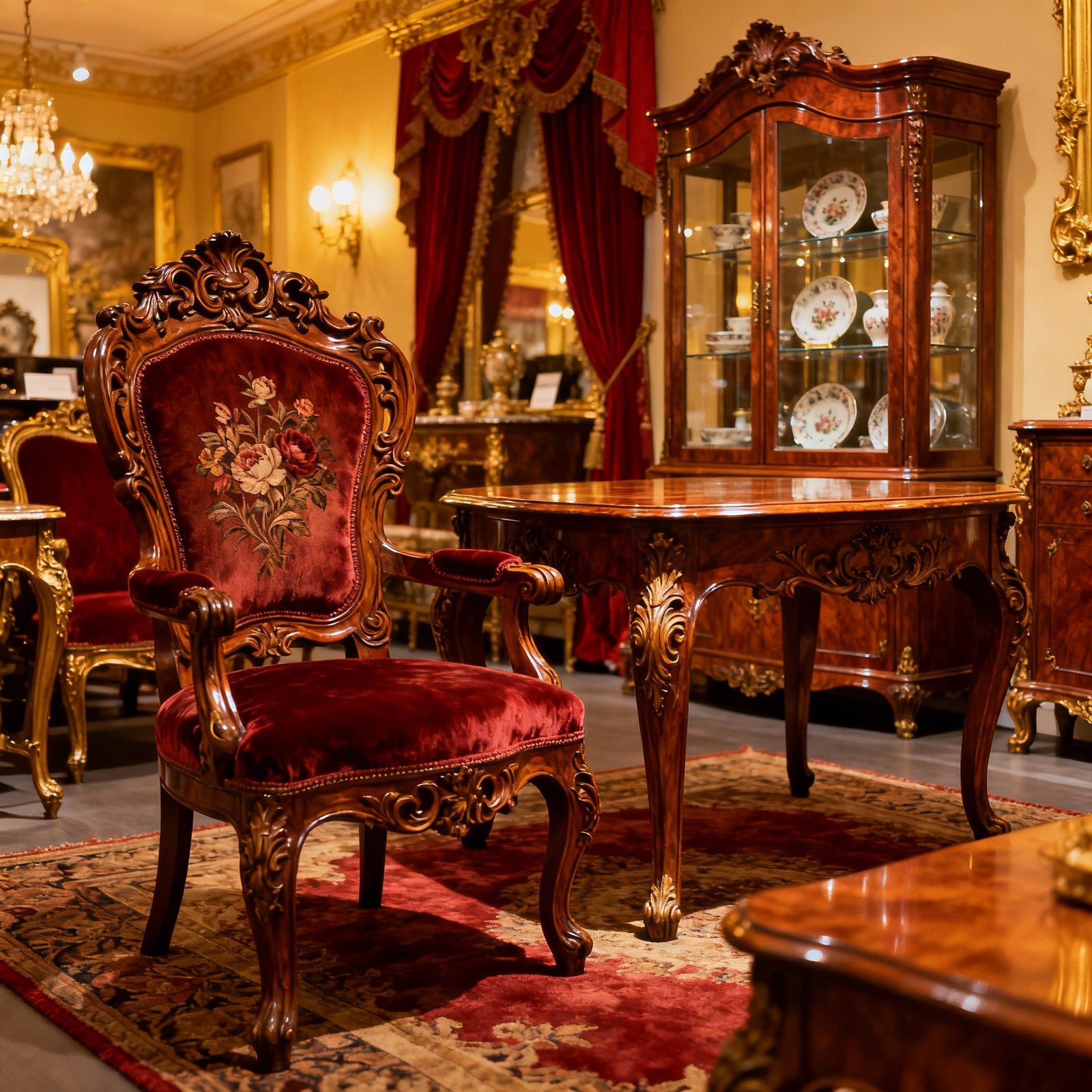
Antique collecting rewards patience, curiosity, and knowledge. Whether you inherited a piece and want to understand its value, or you want to build a collection from scratch, this guide covers everything you need to start making confident decisions about antiques.
What Qualifies as an Antique?
The standard definition: an item is considered an antique when it is at least 100 years old. U.S. Customs uses this threshold for duty-free import purposes. Items from the 1920s and earlier are unambiguously antique. Items from the 1950s–1970s are generally classified as vintage rather than antique, though collectors and dealers often use the terms loosely.
Age alone does not make something valuable. Condition, rarity, maker, and collector demand are equally important. A common 1890 piece in rough condition may sell for less than a pristine 1950s designer item in high demand.
| Term | Age Threshold | Typical Era | Notes |
|---|---|---|---|
| Antique | 100+ years | Pre-1920s | U.S. Customs duty-free threshold |
| Vintage | 20–99 years | 1925–2005 | No universal standard; varies by category |
| Collectible | Any age | Any era | Defined by collector demand, not age |
| Retro | 20–40 years | 1985–2005 | Nostalgic styling; not necessarily old |
| Estate | Any age | Any era | Refers to origin (estate sale), not age |
The Best Antique Categories for New Collectors
Starting with forgiving categories lets you build authentication and valuation skills without major financial risk. The categories below offer accessible entry prices, clear identification resources, and active collector communities.
Depression Glass (1920s–1940s)
Mass-produced colored glass made during the Great Depression is one of the most beginner-friendly collectibles. Common patterns sell for $5–$30 per piece. Identification guides are widely available. Our in-depth guides cover each major color family:
Vintage Kitchenware
Pyrex, Corningware, Fiestaware, and Fire King are among the most actively collected vintage kitchen categories. Values range from a few dollars for common pieces to several hundred for rare patterns or colors. See our guides:
Art Pottery
American art pottery from McCoy, Roseville, Weller, and Rookwood is widely available at estate sales and antique shops. Entry-level pieces start around $25–$75. Maker marks are the key to identification and valuation. See our pottery guides:
- Roseville Pottery Guide
- Weller Pottery Guide
- Rookwood Pottery Guide
- Antique Pottery Identification Guide
Fine China & Porcelain
Inherited china is one of the most common antique identification questions. Manufacturer marks on the bottom of a piece identify the maker and date. Common collectible brands include:
- Lenox China
- Noritake China
- Wedgwood China
- Royal Doulton
- Haviland China
- Spode China
- Antique China Marks & Value Guide
Vintage Glass
Specialty glass collecting covers a wide range of categories with strong collector communities:
- Uranium Glass (Vaseline Glass) Guide
- Milk Glass Guide
- Fenton Glass Guide
- Antique Glass Identification Guide
Silverware & Flatware
Vintage silverware identification starts with understanding the difference between sterling silver (92.5% pure) and silver-plated base metal. See our guides:
Antique Value Guide: Price Ranges by Category
Values vary enormously based on condition, rarity, and maker. The ranges below represent typical retail prices for common to desirable examples in good condition — not exceptional rarities. Exceptional pieces in any category can far exceed these ranges.
| Category | Entry Level | Mid-Range | High-End / Rare | Best Source |
|---|---|---|---|---|
| Depression Glass (common patterns) | $5–$30 | $30–$150 | $150–$800+ | Estate sales, eBay |
| Vintage Pyrex (common patterns) | $10–$40 | $40–$200 | $200–$2,000+ | Thrift stores, estate sales |
| Fiestaware (common colors) | $10–$50 | $50–$300 | $300–$1,500+ | Estate sales, antique malls |
| McCoy Pottery | $25–$75 | $75–$250 | $250–$2,000+ | Estate sales, auctions |
| Roseville Pottery | $50–$150 | $150–$600 | $600–$10,000+ | Specialty auctions |
| Rookwood Pottery | $75–$250 | $250–$1,500 | $1,500–$50,000+ | Heritage, Skinner auctions |
| Uranium Glass | $15–$60 | $60–$300 | $300–$3,000+ | Estate sales, specialized dealers |
| Milk Glass (Fenton, Westmoreland) | $20–$60 | $60–$200 | $200–$800+ | Estate sales, antique malls |
| Fine China (Lenox, Noritake) | $20–$80/place setting | $80–$300/place setting | $300–$2,000+ | Replacements.com, eBay |
| Sterling Silver Flatware | $30–$100/place setting | $100–$400/place setting | $400–$2,000+ | Estate sales, auctions |
| Carnival Glass | $20–$75 | $75–$500 | $500–$10,000+ | Specialized auctions |
| Hummel Figurines | $30–$100 | $100–$500 | $500–$5,000+ | eBay, estate sales |
| Lladro Figurines | $50–$150 | $150–$600 | $600–$8,000+ | eBay, specialty dealers |
| Bakelite Jewelry | $30–$100 | $100–$500 | $500–$5,000+ | Estate sales, Ruby Lane |
| Antique Tiffany Lamps | $500–$2,000 | $2,000–$15,000 | $15,000–$3M+ | Major auction houses only |
How to Authenticate Antiques
Authentication is the most important skill in antique collecting. The steps below apply across most categories.
1. Find and Read the Maker’s Mark
Most quality antiques carry maker’s marks: pottery stamps, silver hallmarks, glass manufacturer’s marks, or paper labels. The mark’s location, style, and wording help date a piece and confirm the maker. For example, British silver hallmarks include a date letter that pinpoints the year of assay. Wedgwood used a three-letter date code from 1860 to 1930. Noritake backstamps changed significantly across the Nippon (pre-1921), Occupied Japan (1945–1952), and Made in Japan (post-1952) periods.
2. Assess Construction Methods
Pre-industrial manufacturing left telltale signs: hand-cut dovetails in furniture (uneven spacing), pontil marks on hand-blown glass, uneven glazing on pottery, and file marks on metal hardware. Machine-made reproductions show uniform construction. Learning the production methods of your target category helps distinguish originals from later copies.
3. Examine Wear Patterns
Genuine antique wear is consistent and logical: high points show most wear, wear occurs where hands naturally grip, and patina develops evenly over time. Artificial aging (acid washing, sandpaper, deliberate dings) looks inconsistent and concentrated. Furniture with worn bottoms but sharp corners, or flatware with heavy plating loss only in suspicious locations, warrants skepticism.
4. Know the Reproductions
Every popular antique category has reproductions. Depression glass was reproduced extensively in the 1970s–1990s with subtle color and pattern differences from originals. Hummel figurines have long been copied. Griswold cast iron skillets are actively reproduced today. Knowing reproduction characteristics for your category is essential protection.
5. Compare Against Reference Materials
Category-specific reference books, collector club publications, and online databases are indispensable. A piece not matching documented examples for its supposed maker or period is a red flag. When uncertain, consult an established dealer or certified appraiser before a significant purchase.
Dating Antiques by Material
Different materials have different dating methods. The table below summarizes the most reliable dating indicators for the most common antique categories.
| Material | Dating Method | Key Indicator | What to Look For |
|---|---|---|---|
| Pottery / Ceramics | Backstamp reading | Country of origin wording | “Made in Germany” = post-1887; “West Germany” = 1949–1990; “Nippon” = 1891–1921 |
| Pottery / Ceramics | Glaze and foot analysis | Kiln marks, glaze pooling | Pre-1940s often show hand-applied glaze unevenness; machine-dipped pieces post-WWII are uniform |
| Glass | Mold seam height | Where seam stops on neck | Seam ending below lip = pre-1860; seam through lip = machine-made post-1910 |
| Glass | Pontil mark | Bottom of piece | Rough pontil scar = pre-1870s hand-blown; polished pontil = higher quality; no mark = machine-made |
| Glass | UV fluorescence | Blacklight glow | Uranium glass glows neon green; manganese glass (pre-1915) glows blue-white; modern glass stays dark |
| Silver | Hallmark system | Sterling, date letter, assay office | British hallmarks include town mark + date letter; American marks: “Sterling” or “925” post-1860s |
| Silver Plate | Base metal marks | EPNS, Quadruple Plate, 1847 Rogers | EPNS (Electroplated Nickel Silver) = Victorian era; triple/quadruple plate = 1880s–1920s |
| Fine China | Country of origin rules | Wording on backstamp | “England” alone = pre-1891; “Made in England” = post-1891; “Bone China” = post-1915 |
| Fine China | Pattern registration marks | British diamond mark | Diamond-shaped registry mark used 1842–1883; exact date decodable from letter codes |
| Cast Iron | Gate mark vs. heat ring | Bottom of skillet | Gate mark (raised ridge) = pre-1890s; heat ring (raised ring) = 1890s–1950s; smooth = post-1950s |
| Furniture | Dovetail joints | Drawer construction | Hand-cut = uneven spacing; machine-cut = perfectly uniform spacing; machine-cut = post-1860s |
| Furniture | Hardware styles | Screws, nails, hinges | Hand-cut screws (off-center slots) = pre-1850; machine-cut = post-1850; wire nails = post-1880s |
Common Fakes & Reproductions by Category
Every popular antique category has reproductions. Some are obvious imports; others are sophisticated copies that fool experienced collectors. The table below covers the most common problem areas.
| Category | Reproduction Problem | How to Spot Fakes |
|---|---|---|
| Depression Glass | Indiana Glass and others reproduced popular patterns (Cabbage Rose, Mayfair, Cherry Blossom) in the 1970s–1990s in wrong colors and heavier weight | Compare color to original reference photos; reproductions are often darker or have a yellowish cast; pattern detail is less sharp |
| Carnival Glass | Reproductions from Fenton (marked “Fenton”) and foreign imports with poor iridescence | Post-1970 Fenton pieces are marked; imports have thin, uneven iridescence and poor pattern sharpness |
| Griswold Cast Iron | Modern unmarked reproductions using same patterns; fake Erie markings | Genuine Griswold has casting numbers and smooth interior surface; reproductions are heavier, rougher, and inconsistent in lettering |
| Hummel Figurines | Goebel made authorized versions for decades; unauthorized copies from Taiwan and China circulate | Check the Goebel bee mark evolution (1935–present); genuine pieces have incised model numbers and artist signatures on base |
| Tiffany Studios Glass | Extensive reproduction market for lamps and accessories; leaded glass imports labeled “Tiffany style” sold as originals | Genuine Tiffany Studios lamps are signed “Tiffany Studios New York” with model number; bases are weighted bronze, not hollow |
| Rookwood Pottery | Counterfeit flame marks; unmarked pieces sold as Rookwood | Rookwood’s “RP” flame mark has 14 flames in the final version; no authentic Rookwood lacks the flame mark and date code |
| Bakelite Jewelry | Lucite, resin, and modern plastic sold as Bakelite at estate sales and online | Simichrome polish test: apply small amount, rub gently; genuine Bakelite turns cloth yellow; hot water test: submerge briefly, sniff for camphor/formaldehyde smell |
| Antique Furniture | Marriage pieces (tops and bases from different pieces joined together); fake period styles built from old wood | Check consistency of wood aging, hardware holes, and finish throughout the piece; secondary woods (drawer backs, backs of drawers) age differently than face wood |
| Nippon Porcelain | Post-1921 pieces with fake “Nippon” backstamps added to increase value | Backstamp ink should match the piece’s age; compare mark style to documented Nippon importers; genuine Nippon marks have specific importer names |
| Sterling Silver | Silver-plated pieces stamped with fake “925” or “Sterling” marks; coin silver passed as sterling | Nitric acid test (advanced): sterling turns a cream color; acid kit tests are definitive; check hallmarks for consistency with documented patterns for the maker |
Where to Buy Antiques
Estate Sales
Estate sales offer the best opportunities to find underpriced antiques. Items are sold from the home of a deceased or relocating owner, often without specialist dealers driving up prices. Prices typically drop 25–50% on the last day. EstateSales.net and EstateTrader.com list upcoming sales by zip code. Arrive 30–60 minutes before opening time and plan to move quickly through the house.
What to bring: Cash (many sales are cash-only or add surcharges for cards), a UV flashlight (for uranium glass identification), measuring tape, your phone for eBay sold listing price checks, padded bags or newspaper for wrapping fragile pieces, and a folding wagon or boxes for larger purchases.
Antique Malls and Shops
Antique malls aggregate dozens of dealers under one roof. Prices are higher than estate sales but dealers have authenticated pieces and can answer questions. Most individual booth operators will negotiate 10–20% off marked prices, especially for multiple items. Good for building expertise through comparison shopping and conversations with specialists.
Auctions
Auction houses range from local general auctions to specialized fine art and antiques houses. Preview days let you examine pieces before bidding. Set a maximum bid beforehand and stick to it. Buyer’s premiums (15–25% above hammer price) add substantially to total cost — always factor this into your maximum bid calculation. Heritage Auctions, Skinner, Doyle, and Sotheby’s handle high-value pieces. Regional auction houses and bidding platforms like Invaluable.com cover the mid-market.
Online Marketplaces
eBay, Etsy, Ruby Lane, and 1stDibs offer enormous selection. Benefits include price transparency through completed auction data, global reach, and direct seller contact. Risks include inability to examine pieces in person. Request detailed photos showing marks, condition issues, and scale before buying. eBay’s “Sold Listings” filter is the most valuable free tool for price research.
| Source | Price Level | Best For | Key Advantage | Key Risk |
|---|---|---|---|---|
| Estate Sales | Low–Medium | All categories | Best prices; unfiltered finds | No authentication; as-is condition |
| Antique Malls | Medium–High | Learning; browsing | Dealers can answer questions | Higher prices; inconsistent quality |
| General Auctions | Variable | Mid-market pieces | Preview access; competitive pricing | Buyer’s premium adds 15–25% |
| Specialty Auctions | Market rate | High-value pieces | Right buyers; authenticated lots | High buyer’s premiums; minimum bids |
| eBay | Variable | Research; buying remotely | Sold Listings for price research | Cannot examine in person |
| Ruby Lane | Medium–High | Jewelry; small decoratives | Specialized dealers; detailed descriptions | Fixed prices; less negotiating room |
| 1stDibs | High | High-end furniture; art | Curated; authenticated by platform | Premium pricing; less discovery potential |
| Thrift Stores | Very Low | Kitchenware; pottery | Exceptional finds at minimal cost | No curation; requires expertise to spot value |
How to Value Antiques
Research Comparable Sales
The most reliable value indicator is recent actual sale prices, not asking prices. eBay’s “Sold Listings” filter shows what buyers paid for comparable items in the last 90 days. Auction records at major houses are searchable online. Price guides provide ranges but may lag behind market shifts by 1–3 years.
Condition Grading
Condition dramatically affects antique values. Standard grading terms and their typical impact on value:
| Condition Grade | Description | Value vs. Mint |
|---|---|---|
| Mint / Near Mint | No visible flaws under close inspection; original finish intact | 100% (benchmark) |
| Excellent | Minor wear consistent with age; no chips, cracks, or repairs | 75–90% |
| Very Good | Light wear; possibly small fleabites or minor surface scratches | 50–75% |
| Good | Visible wear; small chips, minor crazing, or light repairs | 30–50% |
| Fair | Significant damage; cracks, heavy chips, or major restoration | 10–30% |
| Poor | Heavy damage; structural problems; major missing elements | Under 10% |
Damage Value Impact by Type
| Damage Type | Value Reduction | Notes |
|---|---|---|
| Chip on rim (small, under 1/4″) | 25–50% | More acceptable on utilitarian pieces than decorative |
| Chip on rim (large, over 1/4″) | 60–80% | Major deduction regardless of category |
| Hairline crack | 40–70% | Structural concern; reduces value significantly |
| Professional restoration | 20–60% | Better than damage alone but disclosed restorations still deduct |
| Missing lid or cover | 40–60% | Lidded pieces lose major value without original cover |
| Faded or worn decoration | 20–40% | Gilded decoration loss especially notable in china |
| Plating loss (silver plate) | 30–70% | Replating possible but devalues; original plating preferred |
| Crazing (fine crack network in glaze) | 10–30% | Expected in older ceramics; acceptable if surface is clean |
| Repairs visible under UV | 50–75% | Undisclosed repairs at auction can cause disputes |
| Wrong replacement parts | 40–70% | Non-original hardware, handles, or lids devalue significantly |
Rarity and Demand
A rare piece is only valuable if collectors want it. Demand is specific to active collector communities. Uranium glass glows under UV light and has a passionate collector base. Medium green Fiestaware is rare but commands premiums only because Fiestaware collectors specifically prize it. Before paying a premium for rarity, confirm an active market exists for that specific item.
Essential Collector Tools
Experienced collectors carry a small toolkit that dramatically improves authentication accuracy. None of these require significant investment.
| Tool | Use | What to Look For | Cost |
|---|---|---|---|
| UV / Blacklight Flashlight (365nm) | Detect uranium glass, repairs, and certain glass types | 365nm wavelength specifically; not 395nm which gives false positives | $15–$30 |
| 10x Jeweler’s Loupe | Read backstamps, examine surface quality, spot repairs | Triplet lens for color correction; glass lens not plastic | $20–$60 |
| Magnet | Distinguish iron from non-ferrous metals; detect certain repairs | Any strong neodymium magnet; sterling silver and copper are not magnetic | $5–$10 |
| Simichrome Polish | Bakelite testing; metal cleaning | Yellow residue on cloth confirms Bakelite | $10–$15 |
| Soft Tape Measure | Confirm dimensions against reference standards | Flexible fabric tape; important for pottery and glass where size confirms model | $5 |
| Digital Scale (pocket) | Weigh silver pieces for melt value calculation | 0.01g precision; troy oz conversion useful for silver | $15–$25 |
| Reference Books | Pattern and mark identification | Category-specific guides (Kovel’s, Warmans, Miller’s); current edition important | $20–$60 each |
Storage, Care & Display
Improper storage is the most common cause of preventable damage to antiques. The following guidelines apply across most categories.
Temperature and Humidity
Extreme temperature swings and high humidity are the primary enemies of antiques. Maintain 45–55% relative humidity for ceramics, glass, and furniture. Avoid garages, attics, and unfinished basements where temperature swings regularly exceed 30 degrees Fahrenheit annually. Silica gel packets slow humidity damage in enclosed display cabinets.
Light Exposure
UV light bleaches fabrics, fades painted surfaces, and causes discoloration in many materials. Display valuable pieces away from direct sunlight. Use UV-filtering glass in display cabinets for pieces with painted or hand-decorated surfaces. Incandescent and LED lights are safer than fluorescent for display purposes.
Cleaning Guidelines
Less cleaning is almost always better. Never use dishwashers for antique ceramics, glass, or flatware. Hand wash with mild soap and warm (not hot) water. Avoid abrasive cleaners on any decorated surface. Do not clean pottery with painted decoration at all — water can lift paint. Silver benefits from anti-tarnish storage cloths more than repeated polishing.
| Material | Safe Cleaning Method | What to Avoid |
|---|---|---|
| Depression Glass / Vintage Glass | Hand wash, mild dish soap, warm water; air dry | Dishwasher (causes glass disease, etching); bleach; abrasives |
| Pottery / Ceramics (undecorated) | Damp cloth or soft brush; mild soap if needed | Soaking (porous clay absorbs water); dishwasher; abrasives |
| Pottery (hand-painted decoration) | Dry soft brush or barely damp cloth only | Any water near decorated areas; soap; any rubbing |
| Sterling Silver | Silver polish (Wright’s or Hagerty); microfiber cloth; rinse thoroughly | Rubber bands (cause tarnish lines); abrasive cloths; bleach |
| Silver Plate | Gentle silver polish; minimal pressure | Aggressive polishing (removes remaining plating); abrasive cleaners |
| Cast Iron (cookware) | Warm water; stiff brush; dry immediately; light oil coat | Soaking; soap (removes seasoning on collectible pieces); dishwasher |
| Fine China | Hand wash, mild soap, warm water; cushion pieces separately | Dishwasher; stacking without padding; metal scrubbies |
| Bakelite / Hard Plastic | Mild soap, damp cloth; Simichrome polish restores shine | Acetone or nail polish remover (melts surface); bleach |
Where to Sell Antiques
The best selling venue depends on the value of the piece, how quickly you need to sell, and how much effort you want to invest. High-value pieces generally warrant the extra time to reach the right buyer; common pieces may not be worth the listing effort.
| Venue | Best For | Commission / Fees | Time to Sale | Notes |
|---|---|---|---|---|
| eBay | Most categories; good for research value | ~13.25% of sale price | 7–14 days | Best reach; Sold Listings help set price |
| Etsy | Small decoratives, jewelry, kitchenware | 6.5% transaction fee + listing fee | Days to weeks | Lifestyle-oriented buyers; less price-sensitive |
| Ruby Lane | Jewelry, china, glass, silver | $54/month booth fee + 9.9% commission | Weeks to months | Serious collectors; higher average sale prices |
| Heritage / Skinner / Doyle | High-value art, pottery, silver, furniture | 15–20% seller’s commission | 60–90 days | Best for pieces over $500–$1,000; reaches right buyers |
| Local Estate Dealers | Immediate cash; full lots or collections | Dealer markup (you receive 40–60% of retail) | Immediate | Lowest price but fastest; good for clearing estates |
| Consignment Shops | Furniture; mid-range decoratives | 30–50% commission | 30–90 days | Low effort; no listing work required |
| Replacements.com | Fine china, crystal, flatware patterns | They pay you (buying, not consignment) | Weeks | Best for china pattern pieces they actively need |
| Facebook Marketplace | Furniture; large items difficult to ship | Free locally; 5% shipping fee | Days to weeks | No shipping hassle; local pickup buyers |
Building Your Expertise
Expertise develops through consistent exposure: handle as many pieces as possible, attend shows and auctions even when not buying, read category-specific references, and join collector clubs for your focus area. The single most effective method is handling originals and reproductions side-by-side, which develops the instinctive recognition that distinguishes experienced collectors from novices.
Start by choosing one specific category and learning it deeply before expanding. Depression glass collectors who can identify every pattern at a glance in their specialty are far better positioned than generalists with shallow knowledge across many categories.
Key Collector Clubs and Resources
| Organization / Resource | Category | What It Offers |
|---|---|---|
| National Depression Glass Association (NDGA) | Depression Glass | Annual show, member newsletter, price guides |
| American Carnival Glass Association (ACGA) | Carnival Glass | Reference books, shows, authentication help |
| American Art Pottery Association (AAPA) | Art Pottery | Shows, reference resources, dealer network |
| Fenton Art Glass Collectors of America (FAGCA) | Fenton Glass | Newsletter, conventions, Fenton-specific resources |
| Kovel’s | All categories | Annual price guides; online database |
| Warman’s Antiques & Collectibles | All categories | Annual price guide; broad category coverage |
| Miller’s Antiques Handbook & Price Guide | All categories | UK-focused; strong on European antiques |
| eBay Sold Listings | All categories | Most current actual sale prices; free to access |
Frequently Asked Questions
How do I know if something is antique or vintage?
“Antique” formally means 100+ years old (pre-1920s today). “Vintage” typically refers to items 20–99 years old. In common usage, dealers and collectors often apply “vintage” to anything old and desirable, including items from the 1950s–1980s.
What are the most valuable antiques to collect?
Value depends on your investment budget and collecting goals. For appreciation potential with limited capital, focus on categories with active collector demand and limited supply: art pottery from Roseville, Rookwood, and Weller; uranium glass; and mid-century designer items. Avoid categories with heavy reproduction problems unless you develop strong authentication skills first.
How do I find out what my antique is worth?
Start with eBay Sold Listings for comparable items. For high-value pieces, a certified appraisal from an American Society of Appraisers (ASA) member is the most reliable method. For insurance purposes, you need a formal written appraisal regardless of your own research findings.
Where is the best place to sell antiques?
eBay reaches the broadest buyer base for most categories. Etsy suits smaller decorative items with strong lifestyle appeal. Specialist dealers pay less than retail but offer immediate cash without the effort of individual sales. Consignment with established auction houses works best for high-value pieces where the right buyer matters more than speed.
How do I avoid buying fake antiques?
Buy from established dealers with return policies. Research reproduction characteristics for your category before purchasing. Ask questions about provenance and prior ownership. When the price seems too good, it usually is. Start with modest purchases while developing authentication skills, and use the physical tests (UV light, magnet, Simichrome) that work for your specific category.
Is antique collecting a good investment?
Some antique categories have appreciated significantly; others have stagnated or declined. Antique collecting is most rewarding when driven by genuine interest in the objects rather than investment speculation. Passion for a category motivates the study needed to buy well, which is what ultimately produces returns.
What is a pontil mark and what does it mean?
A pontil mark is a scar or rough spot on the bottom of a glass piece left by the iron pontil rod used to hold the piece while the glassblower worked the top. A rough, jagged pontil scar indicates hand-blown glass, typically pre-1870s. A smooth, polished pontil indicates higher-quality hand finishing. No pontil mark usually indicates machine-made glass, common post-1910.
What should I do with antiques I inherited?
Do not clean anything before identification — original patina and condition are part of the value. Photograph every mark, label, and signature. Use eBay Sold Listings for initial research by searching the maker’s name and key identifying features. For pieces that appear valuable (over $200), consult a specialist dealer or certified appraiser before selling. Estate auction houses will often do free preliminary assessments for significant collections.
How do I read a British silver hallmark?
British silver hallmarks typically include four symbols: the maker’s mark (initials in a shaped cartouche), the standard mark (lion passant for sterling), the assay office mark (anchor for Birmingham, crown for Sheffield, leopard’s head for London), and a date letter (a letter cycling through the alphabet each year, with font and shield shape changing each cycle). Date letter tables are freely available online and can pinpoint the year a piece was assayed to within one year.
Can I use antique china and glassware for food and drink?
Most antique china and glassware is safe for occasional display use. For regular food contact, uranium glass (while safe under normal handling) is best kept for display. Pre-1970s lead crystal should not be used for regular drink storage as lead can leach slowly. China with worn gilded decoration should be used with caution as older gold paints sometimes contained lead compounds. When in doubt, display rather than use.